SP 2 — Self-Preservation Two: 'Privilege'
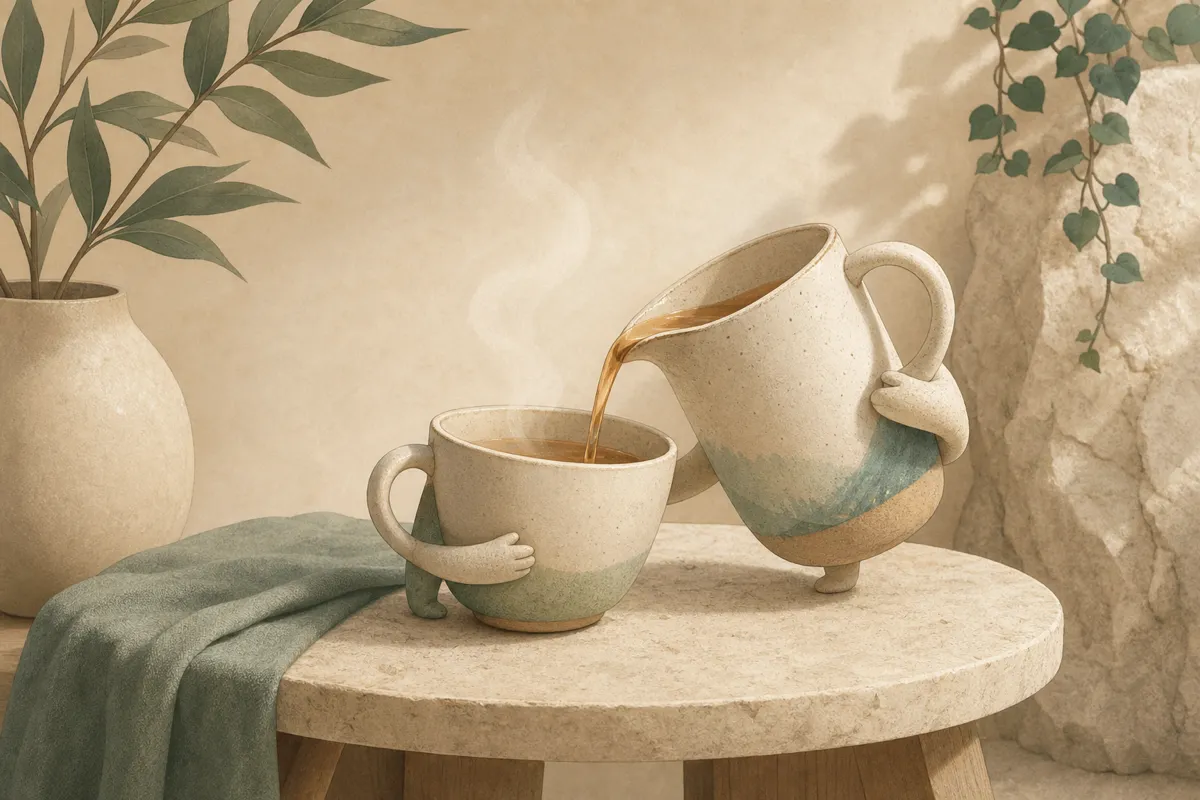
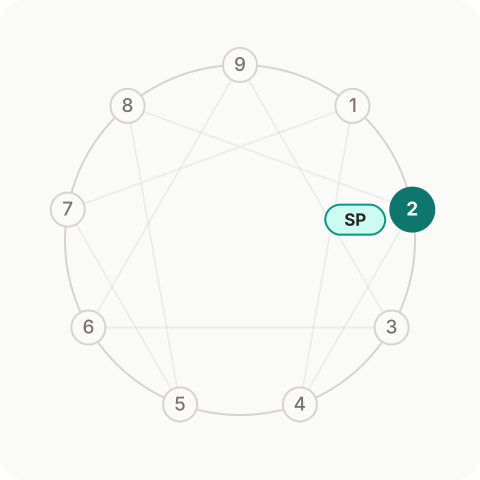
Chestnut names this subtype Privilege, and marks it the countertype of the Twos. The standard Two gives in order to be loved; the SP Two — without knowing it — seduces like a child in the presence of grown-ups: charming, playful, a little helpless, inducing others to take care of it. The name points at the wish underneath: to be loved and prioritized just for being who they are, not for what they provide.
How the instinct bends the passion
The Two’s passion is pride — the giver who needs nothing. Filtered through self-preservation, pride goes ambivalent: this Two is more fearful of connection than the other two, hesitant to give first, and its neediness is closer to the surface. The tradition’s image is exact: everyone loves children, and children don’t have to earn love by providing — so the SP Two stays young. Whatever their age, there’s a youthfulness in presentation, voice and emotional style that draws protection the way competence never could.
What it looks like in daily life
Charming, playful, endearingly scattered about practical matters — bills, plans, logistics somehow get handled by others. Friends describe wanting to take care of this person and enjoying it. The shadow ledger still exists (it’s a Two), but it’s inverted: instead of counting what they’ve given, the SP Two counts whether it’s being looked after — and hurts sharply when treated as just another capable adult.
A scene that gives it away
The group trip. Everyone’s dividing tasks; somehow the SP Two ends up with none — not by refusing, but by a charming helplessness that reassigns the spreadsheet to someone who’s ‘so much better at this.’ At dinner they’re the delight of the table. The pattern is invisible until the week someone asks them to organize things — and meets a hurt, flustered resistance that seems out of scale.
Against the other two Twos
The social Two seduces the room from the podium; the SX Two seduces the individual. The SP Two seduces upward — inviting the care of stronger adults. It’s the least obviously proud Two, the most openly needy, and therefore the one that least resembles the textbook helper.
How it gets mistyped
The playfulness and appetite for delight read as Seven; the youthful sensitivity reads as Four. Against Seven: the Seven entertains itself; the SP Two performs charm for someone whose care it needs. Against Four: the Four withdraws to be missed; the SP Two stays close and stays adorable.
In love and at work
At work this subtype thrives where charm is an asset — client relations, hosting, teaching small children, the arts — and quietly suffers in roles graded on logistics. Colleagues underestimate it, then discover the emotional intelligence underneath. In love, the SP Two is affectionate, delightful and demanding in a way it can’t see: the partner is auditioned nightly for the caretaker role. The relationship matures when care flows both ways visibly — this Two discovering that providing (a meal, a plan, a rescue) doesn’t cost the beloved’s protection but earns a different, sturdier kind.
Growth notes
The edge is competence claimed: handling one adult task per week visibly and without help. The deeper work is asking directly — the childlike strategy exists because direct asking feels like proof of unlovability. Every plainly-spoken need that gets met retires a little of the act.
Frequently asked questions
Why is SP 2 the countertype of Type 2?
Because it inverts the Two's usual strategy: instead of giving first to earn love, the SP Two attracts care by being charming and a little helpless — wanting to be loved for who it is, not for what it provides.
Why is this subtype called 'Privilege'?
The name points at the wish to be prioritized without earning it — the way children are loved simply for existing. The SP Two unconsciously stays youthful to keep receiving that kind of unconditional care.
How do I tell an SP Two from a Seven?
Both are playful and charming, but the Seven's charm entertains itself — it survives an empty room. The SP Two's charm is aimed: it needs a caretaker audience, and deflates without one.
Does the SP Two still have the Two's pride?
Yes, but inverted and harder to see: pride shows as the certainty of being special enough to deserve care without asking, and as sharp hurt when treated like just another capable adult.
What's the growth practice for an SP Two?
Claiming competence and asking plainly: one adult task handled solo per week, and one need spoken directly instead of charmed into being met. Direct asking is the exact muscle the strategy avoids.
Know your enneagram type. Understand yourself.
Take the free test